


SEL Improves Exam Results? What the Research Actually Shows

Updated: Apr 21
Can Social Emotional Learning (SEL) actually improve exam results? The data says yes. At Pathways Education Project, we don't view SEL as an alternative to academics, we view them as foundational. Research shows that schools prioritizing SEL see an average 11% gain in academic achievement. Here is why...

In the modern classroom, academic excellence is no longer enough. To navigate the complexities of everyday life, and become well-rounded, responsible citizens, young people need more than just grades. They need the functional tools to manage stress, solve problems, and communicate effectively. At Pathways, we've long advocated for the integration of Social Emotional Learning (SEL) development and Life Skills Education into the traditional academic curriculum. This concept seems to be gaining traction among schools and local authorities.
Beyond the Traditional Curriculum
In classrooms across the UK, while academic subjects like Maths, English and Science rightly remain essential, a growing body of evidence shows that academic knowledge isn’t enough on its own. Young people also need social and emotional skills to truly succeed in school and in life. Without them, students can struggle with behaviour, wellbeing, engagement and readiness for the world beyond the classroom.
Research carried out by Oxford Open Learning Trust amongst 18-24 year olds reported 18% as feeling that schooling had failed to prepare them for the challenges of adulthood.
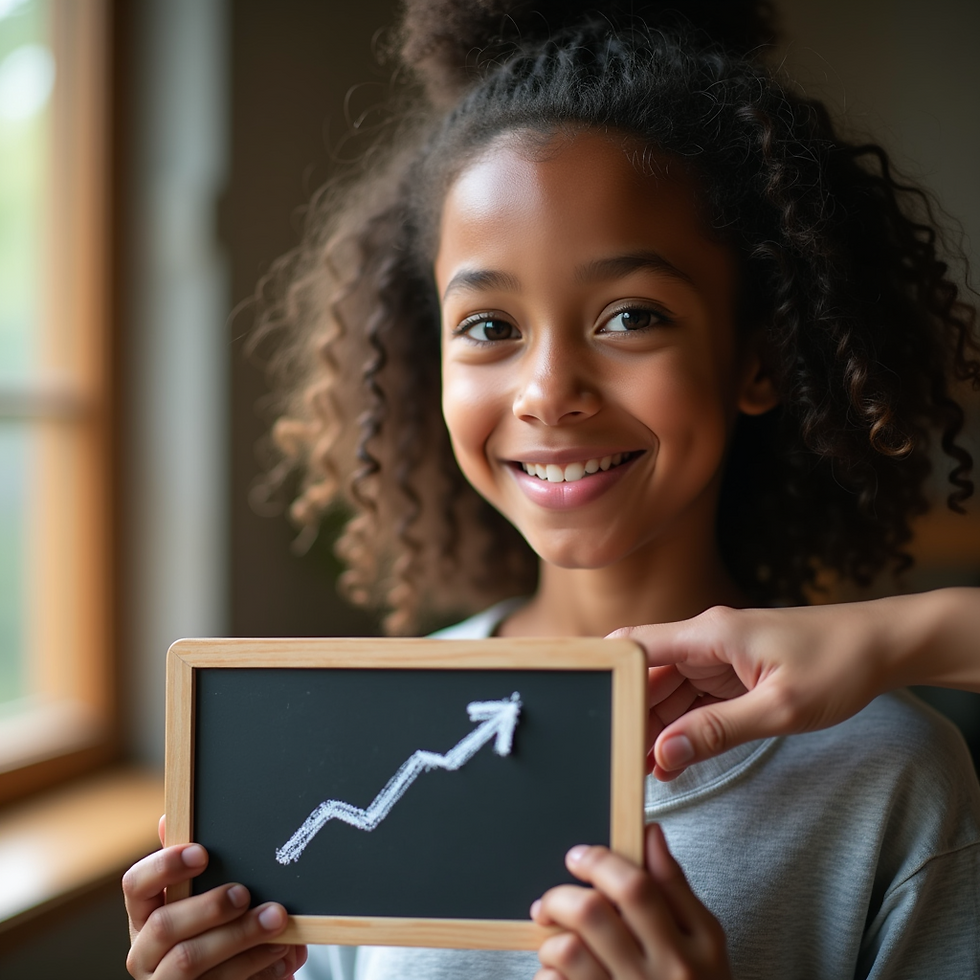
By contrast, students equipped with robust SEL skills show significantly better outcomes.
Research shows that schools prioritizing SEL see an average 11% gain in academic achievement — CASEL (Collaborative for Academic, Social, and Emotional Learning).
This indicates that life skills are not just supplementary, but a crucial aspect of a comprehensive educational experience.
Far from being an add-on, SEL is increasingly understood as a core component of a comprehensive educational experience, empowering students to navigate challenges, build positive relationships, and make responsible decisions both in school and beyond.
What Is Social and Emotional Learning (SEL)?
Social and Emotional Learning refers to the intentional development of skills that help young people understand and manage emotions, build meaningful relationships, make responsible decisions, and navigate challenges effectively. It draws together cognitive, social and emotional aspects of learning to support learners’ broader development.
According to UNESCO, SEL integrates cognitive, social, and emotional dimensions of learning to support holistic development and lifelong learning. Leading research organisations, including CASEL and the Child Mind Institute, commonly describe SEL through five core competency areas:
Self-Awareness – Recognising and understanding one’s own emotions, strengths, and thoughts, and how these influence behaviour.
Self-Management – The ability to regulate emotions and behaviour, manage stress, set goals, and persist through challenges.
Social Awareness – Empathy and respect for others, and the ability to appreciate diverse perspectives.
Relationship Skills – Building and maintaining healthy, supportive relationships, communicating effectively, and resolving conflict constructively.
Responsible Decision-Making – Making constructive choices about personal and social behaviour.
These competencies mirror the life skills schools and local authorities strive to cultivate — empowering students not just to succeed academically, but to thrive in school, work, and life beyond the classroom.
Embedding SEL in Practice
SEL is most effective when it's embedded across everyday school practice rather than delivered through isolated lessons alone. As emphasised by UNESCO, SEL has the greatest impact when integrated into teaching, school culture, and wider education systems.
This can include:
Embedding SEL language and reflection into daily classroom interactions
Using group work and real-life scenarios to practise communication and decision-making
Modelling emotional regulation and respectful relationships at all levels of the school
Aligning SEL with PSHE, safeguarding, and wellbeing strategies
Supporting key transition points, such as Year 7, with targeted SEL and mentoring
Research consistently shows that whole-school approaches lead to more sustainable and meaningful outcomes for students.
SEL, Equity, and Inclusion
SEL also plays a vital role in advancing equity in education. By explicitly teaching empathy, self-reflection, responsible decision-making, and social awareness, schools can help reduce exclusionary practices and better support students — particularly those from disadvantaged backgrounds — to feel valued, understood, and equipped to succeed.
UNESCO highlights SEL as a key mechanism for fostering inclusive learning environments that respect diversity and promote social cohesion.
Bridging the Gap: How We Deliver Life Skills
Integrating life skills into a busy school timetable requires more than just a lecture, it requires innovative learning.
At Pathways, we recognise that SEL is not 'nice to have' — it’s essential. Social and Emotional Learning is a cornerstone of our approach to life skills education. Our workshops, mentoring programmes, and school-based interventions focus on enhancing:
Self-awareness and emotional regulation
Communication and relationship skills
Confidence and resilience
Responsible, informed decision-making
We work alongside schools, the justice system, local authorities, and within multi-agency projects, to embed SEL principles into practical, real-world delivery, through credible messenger mentoring, SEL-aligned PSHE workshops, and early intervention support.
Partnerships for Change
The future of education requires a shift that places academic excellence and the cultivation of responsible, informed citizens on a level playing field. Local authorities and schools play critical roles in this shift. By partnering with specialist providers like Pathways, they can deliver a Level Playing Field where personal development is valued as highly as exam results.

The Path Forward
Social and Emotional Learning is more than a curriculum topic, it’s the groundwork for resilient learners, effective educators, and strong communities. Equipping students with SEL competencies prepares them not just for tests, but for life — a goal that every education system should champion.
Let’s continue building schools where students don’t just learn what to think, but how to be confident, empathetic and ready for the pathways ahead.
Discover how our workshops foster resilience and growth
For more on life skills, read: The Importance of Life Skills in Academic Education


Comments