


Supporting Year 7 Transitions: SEL, Life Skills, and Multi-Agency Support

Updated: Sep 7
The transition from primary to secondary school is one of the most significant moments in a young person’s educational journey. For many students, moving to Year 7 means navigating new environments, meeting new peers, and facing increased expectations around independence and behaviour. This transition also brings more complex academic demands. While it can be an exciting time, it is also a period of heightened vulnerability. This can be overwhelming, especially for students who may already face social, emotional, or contextual challenges.

Why Year 7 Transitions Matter
Starting secondary school introduces multiple challenges. These include larger schools, changing social dynamics, and increased responsibility. This places new demands on young people’s ability to manage emotions, form relationships, cope with pressure, and make safe decisions. According to evidence highlighted by organisations such as UNESCO, effective education must support learners’ social, emotional, and cognitive development together, particularly at key transition points in their lives.
Without this support, difficulties can emerge. These may include disengagement, behavioural issues, anxiety, or poor attendance. Such issues can persist throughout secondary education if left unaddressed. Year 7 therefore represents a critical window for early intervention. The right support can prevent escalation and lay the foundations for long-term success.
This matters not just for individual schools but for the local authorities and commissioners responsible for the wider landscape of children's services. Where transition support is fragmented or reactive, the consequences tend to show up in exclusion rates, CAHMS referrals, and early contact with the youth justice system — all of which carry significant human and financial cost.
The Role of Social and Emotional Learning (SEL) in Transition
Social and Emotional Learning (SEL) provides an evidence-based framework for supporting pupils through periods of change. The Education Endowment Foundation has found SEL interventions to be among the highest-value approaches available to schools, with consistent positive effects on both attainment and wellbeing. Research collated by CASEL also shows that SEL helps young people develop core competencies that are essential during transitions.
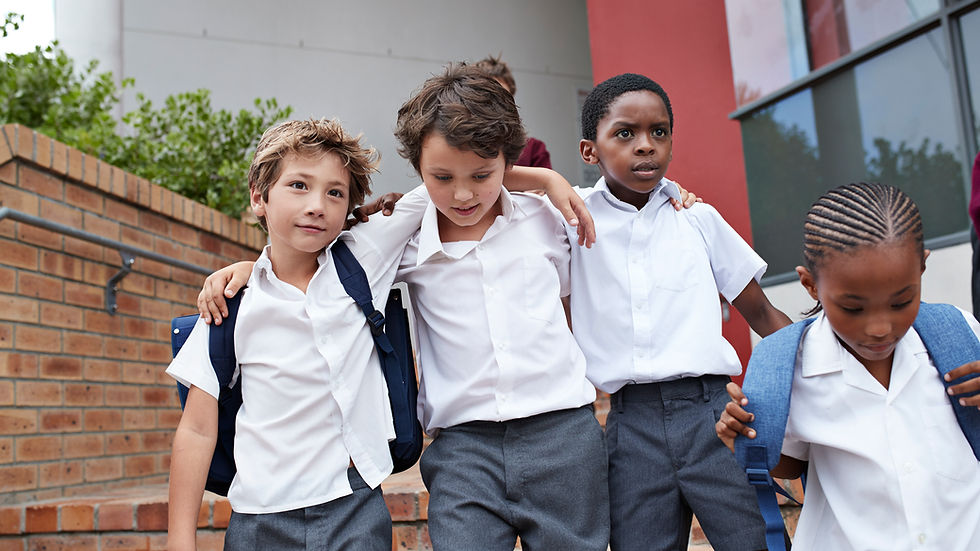
In the context of Year 7, these competencies include:
Self-awareness — understanding emotions such as anxiety, excitement, or frustration when entering a new environment.
Self-management — coping with stress, adapting to new routines, and managing emotional responses.
Social awareness — navigating new peer groups, understanding social norms, and showing empathy.
Relationship skills — building trust with peers and staff, communicating needs, and resolving conflict.
Responsible decision-making — making safe, thoughtful choices in unfamiliar situations.
Together, these skills enable young people to engage positively with school life and access learning more effectively.
Life Skills as Practical Support During Transition
Life skills bring SEL into real-world practice. During the transition to secondary school, life skills help pupils to:
Ask for help when they feel overwhelmed.
Manage peer pressure and social conflict.
Navigate independence safely.
Build confidence in unfamiliar settings.
Develop routines that support attendance and engagement.
When life skills are embedded into PSHE, mentoring, and pastoral support, schools are better equipped to support both academic adjustment and emotional wellbeing.
The Importance of Multi-Agency Support
Effective transition support rarely comes from one source alone. Schools, family support workers, early help teams, and specialist providers each see a different part of a young person's life. When those perspectives are shared — through Team Around the Child structures, or through commissioned programmes that bring external providers into school — the picture becomes clearer and the response more proportionate.
For local authorities and commissioners, Year 7 transition is one of the most cost-effective windows for early intervention: the Early Intervention Foundation consistently finds that support at transition points produces better outcomes at lower long-term cost than crisis response later. Multi-agency approaches allow early concerns to be identified, shared, and addressed before they escalate. This ensures that young people receive consistent, joined-up support across school and community settings.
At Pathways Education Project, we are proud to be part of multi-agency initiatives that bring together education, community, local authorities, and youth organisations to support young people holistically.
Multi-Agency Example: Your Life You Choose (YLYC)
One example of this is the Your Life You Choose (YLYC) programme, delivered across Brent, Barnet, and Harrow. An interactive multi-agency project that brings together magistrates, inclusion officers, paramedics, and youth community organisations to help Year 7 students explore the choices they face, the consequences of those choices and the benefits of making positive choices.
YLYC reinforces core SEL competencies such as responsible decision-making and social awareness. It also introduces students to life skills in a practical, engaging way. This hands-on approach complements Pathways’ workshops and mentoring programmes, providing holistic support during the Year 7 transition.
How Pathways Supports Year 7 Transitions

At Pathways, our approach combines:
Life skills workshops: tailored to the challenges of Year 7 students.
SEL integration: embedding self-awareness, relationship skills, and decision-making across lessons and pastoral care.
Mentoring where needed: supporting any student who would benefit, reinforcing resilience, confidence, and social skills.
Partnership with multi-agency initiatives: working alongside projects like YLYC to provide a coordinated, real-world support network.
By layering these approaches, schools can ensure students develop the skills and confidence needed to thrive in their first year of secondary education.
The Impact of Community Engagement
Community engagement plays a vital role in supporting Year 7 transitions. When schools partner with local organisations, they create a network of resources and support for students. This collaboration can include workshops, mentoring programmes, and extracurricular activities that enhance learning and personal development.
Engaging with the community also helps students feel more connected. It fosters a sense of belonging, which is crucial during this transitional phase. When students know they have support from both their school and the community, they are more likely to thrive.
Final Reflection
Supporting Year 7 transitions is not simply about helping pupils settle in. It's about recognising a critical developmental moment and responding with the right combination of SEL, life skills, mentoring, and multi-agency support.
When schools invest in transition support, they strengthen not only individual outcomes but also school culture, inclusion, and long-term wellbeing. This creates pathways to success from the very start of secondary education.
Learn more about the YLYC project


Comments